
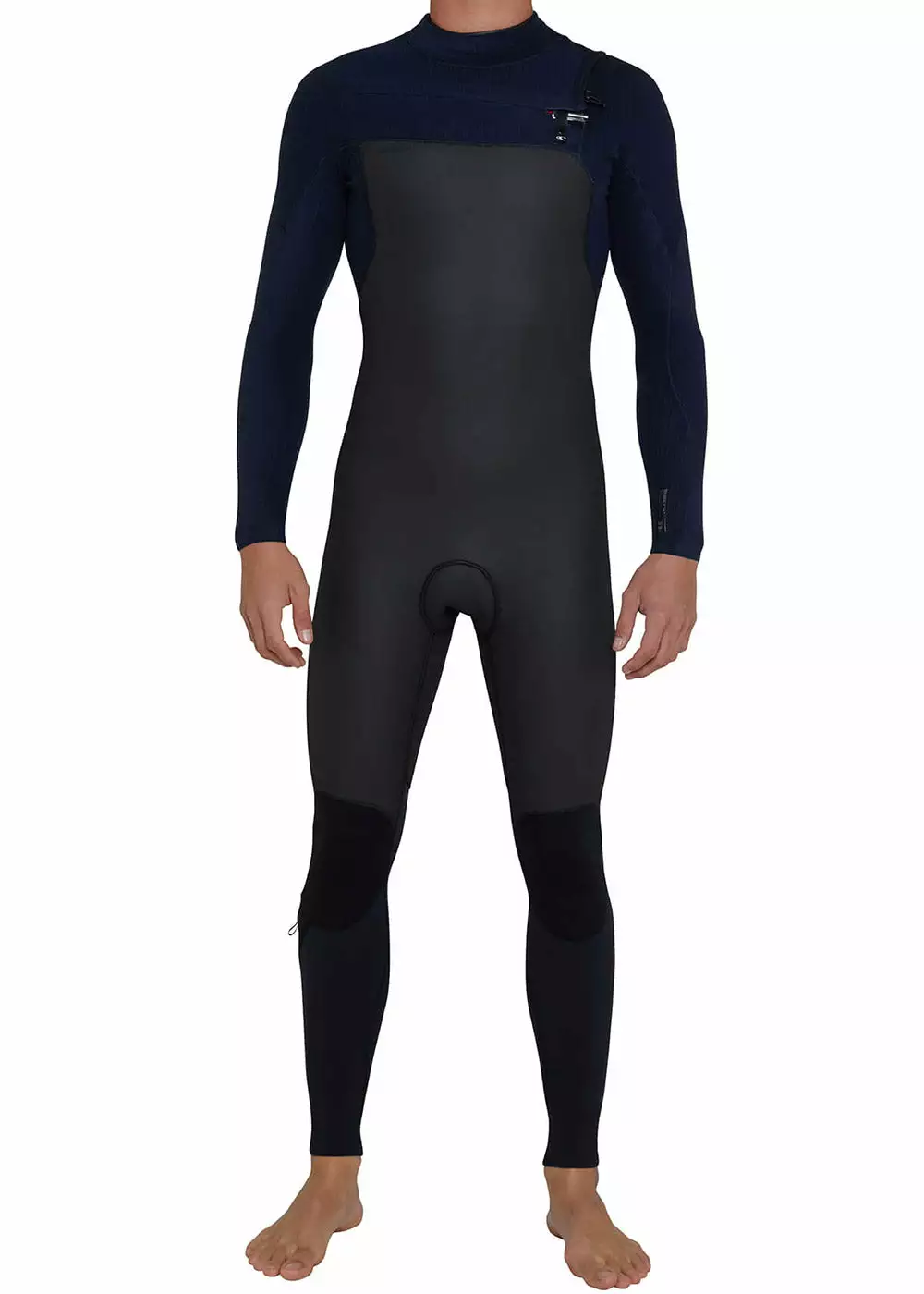
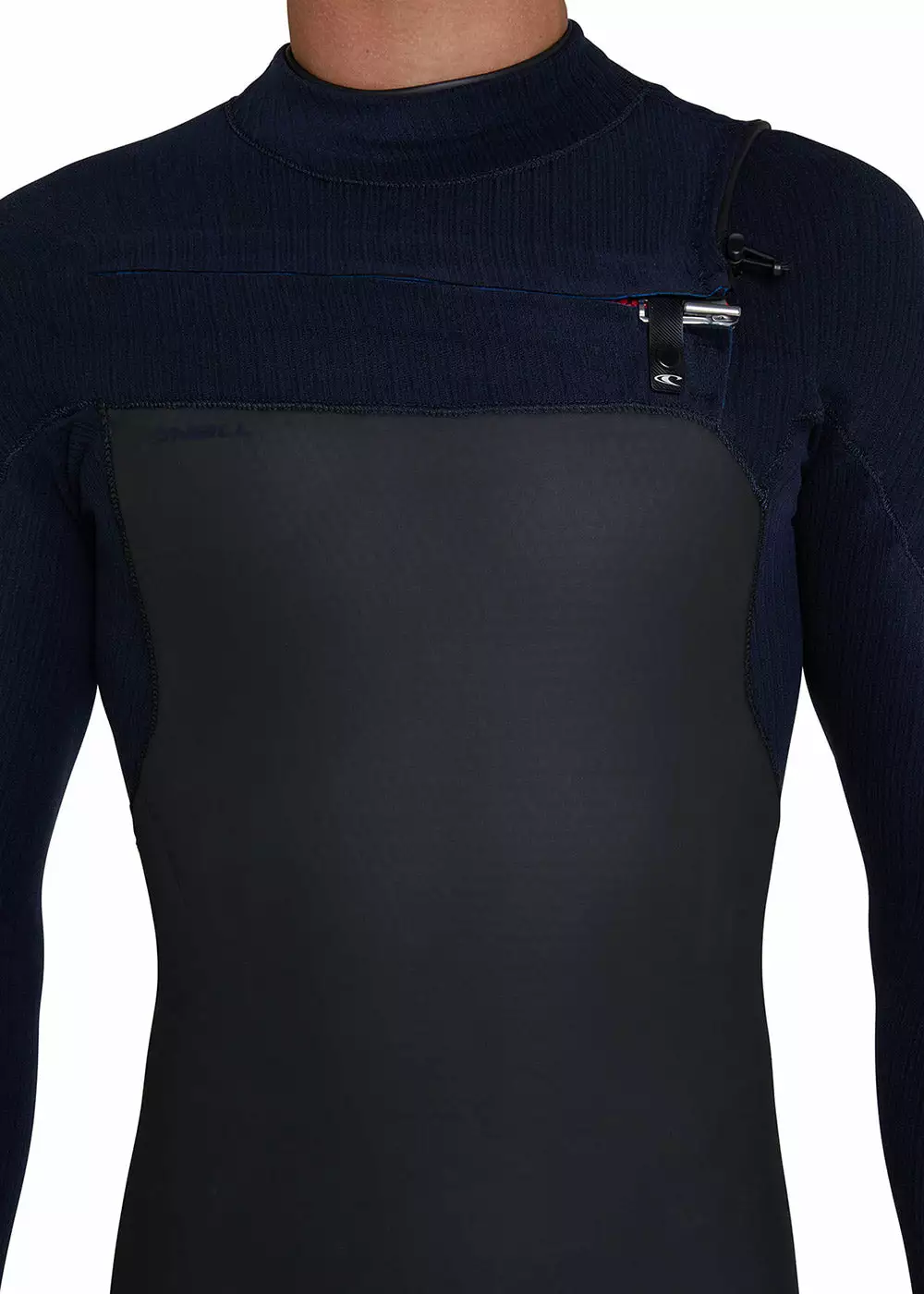
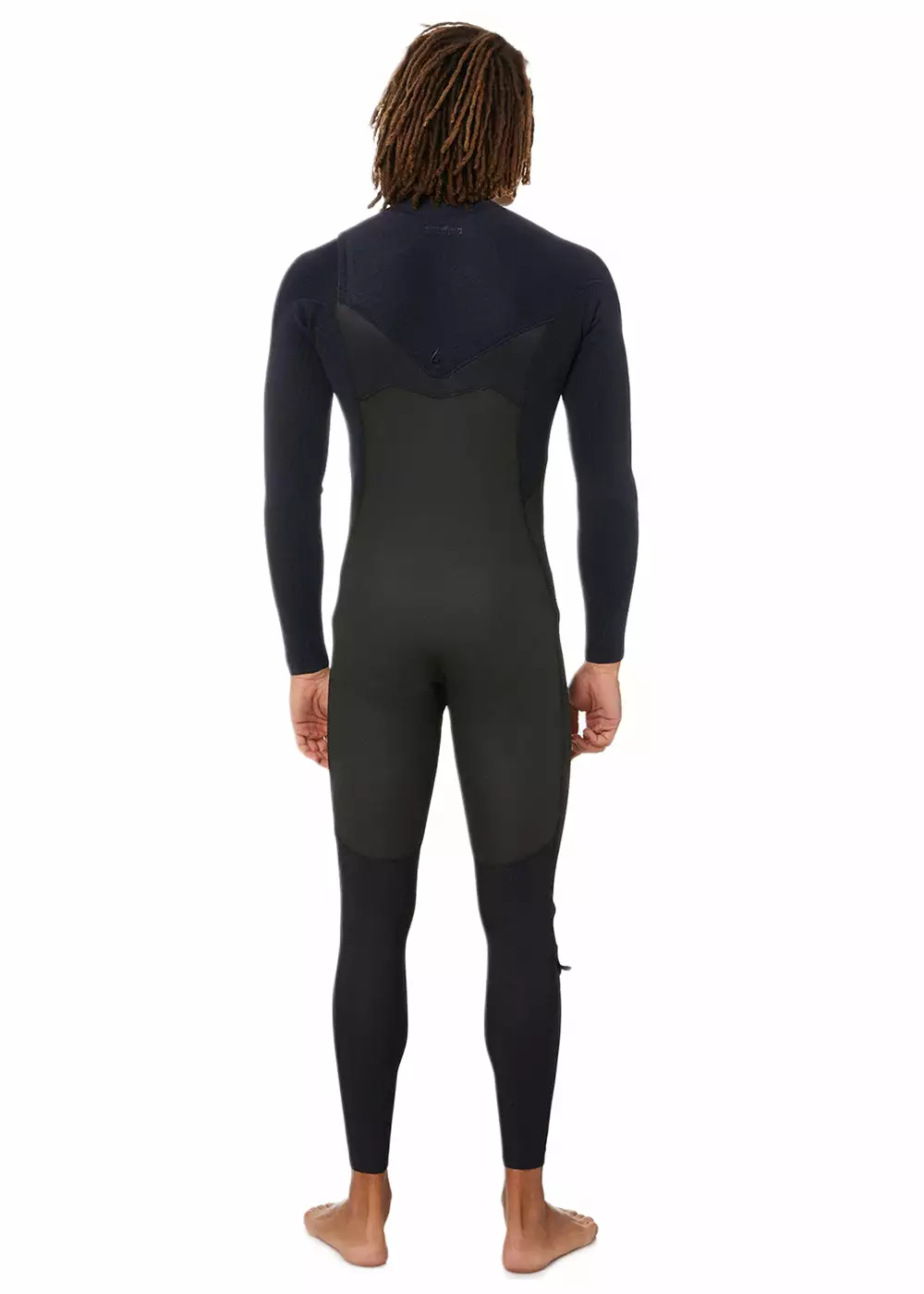
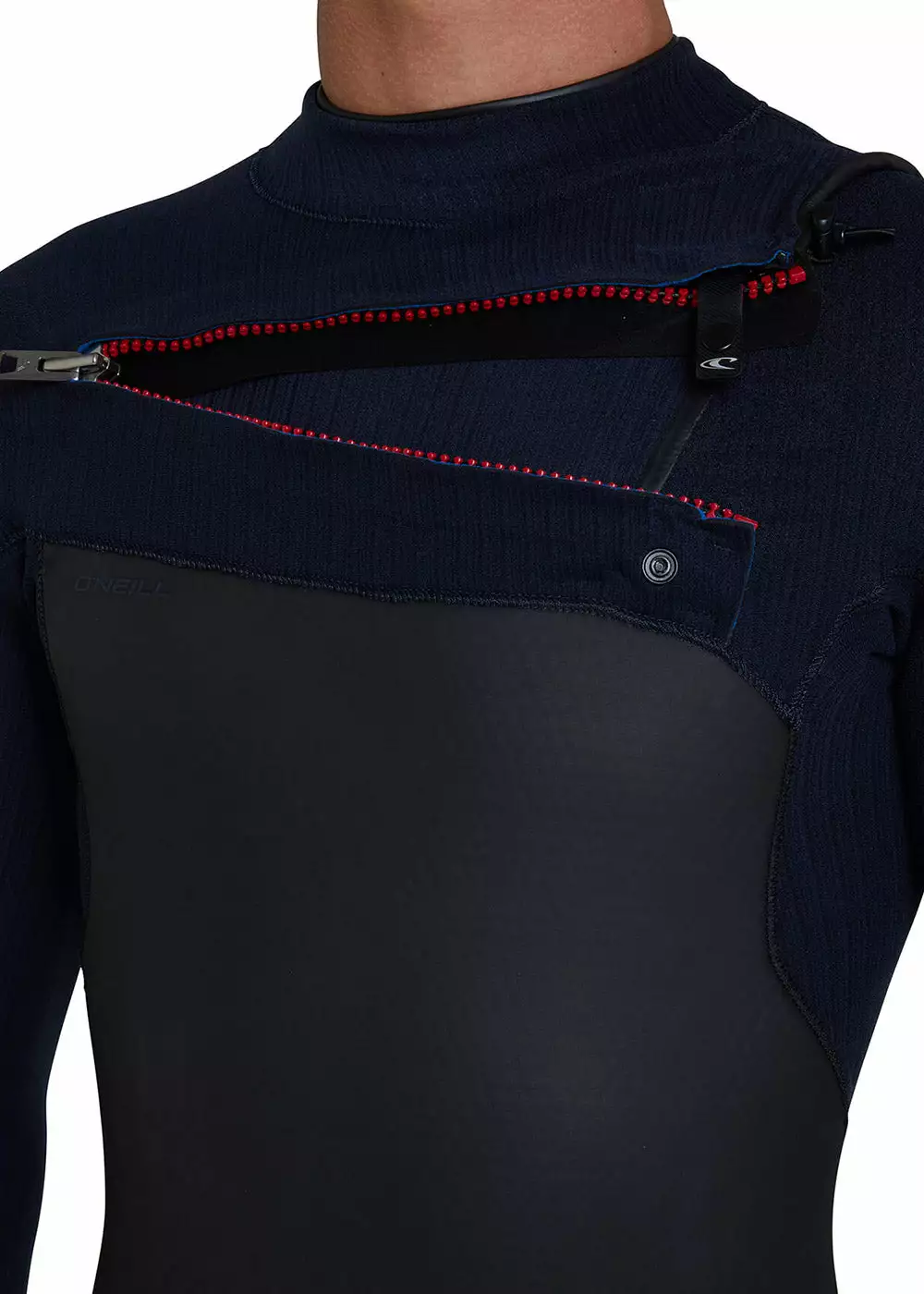
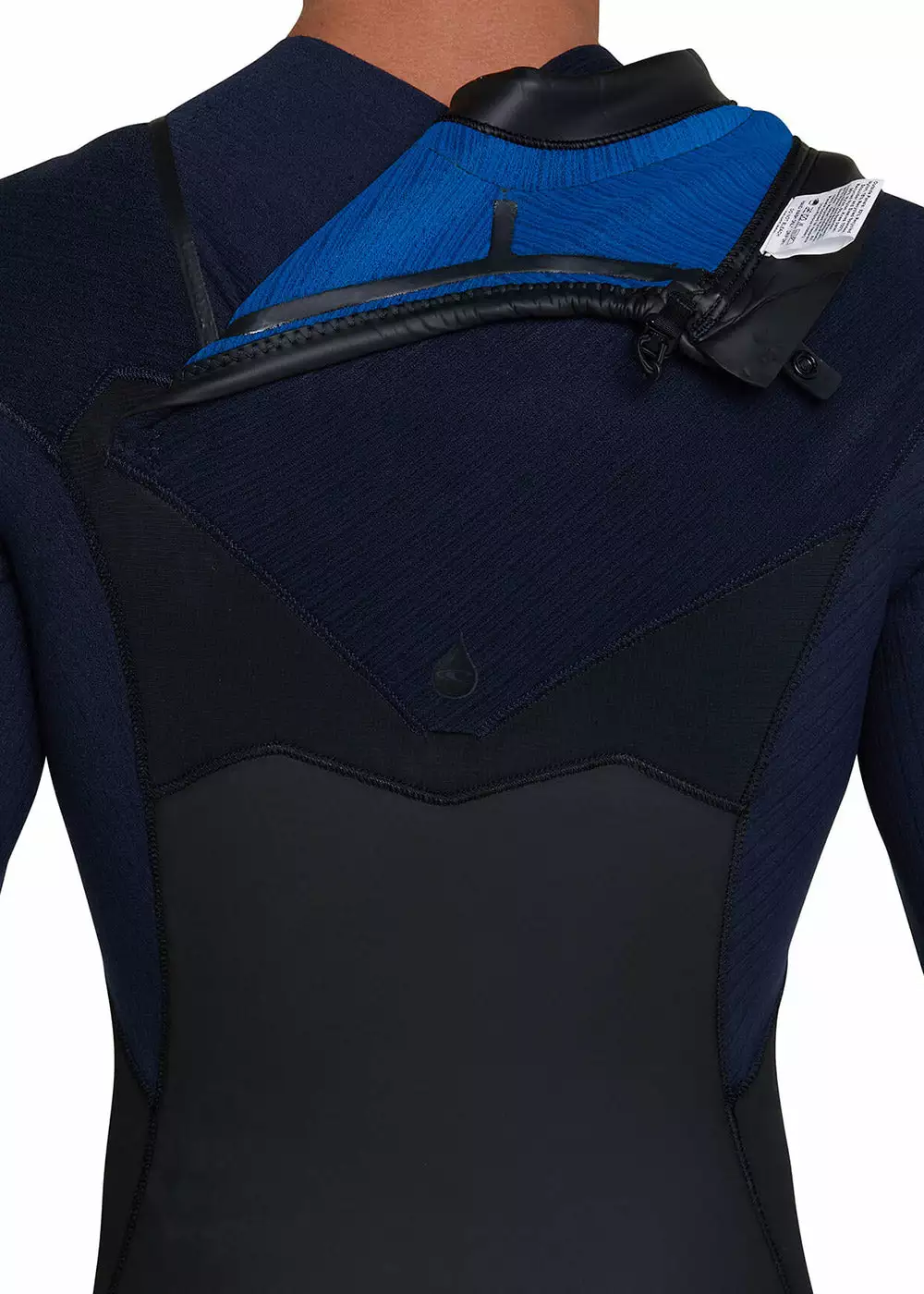
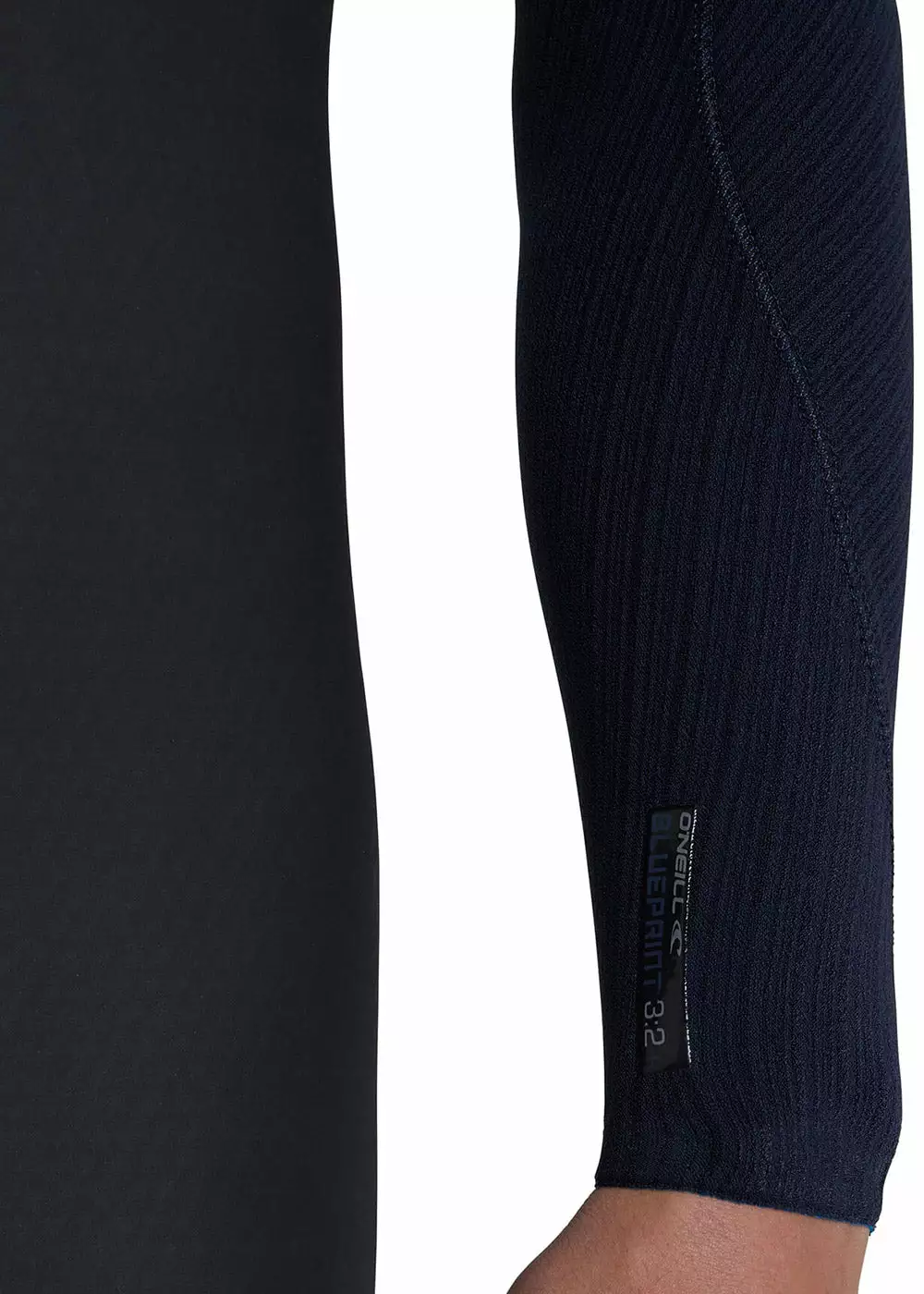
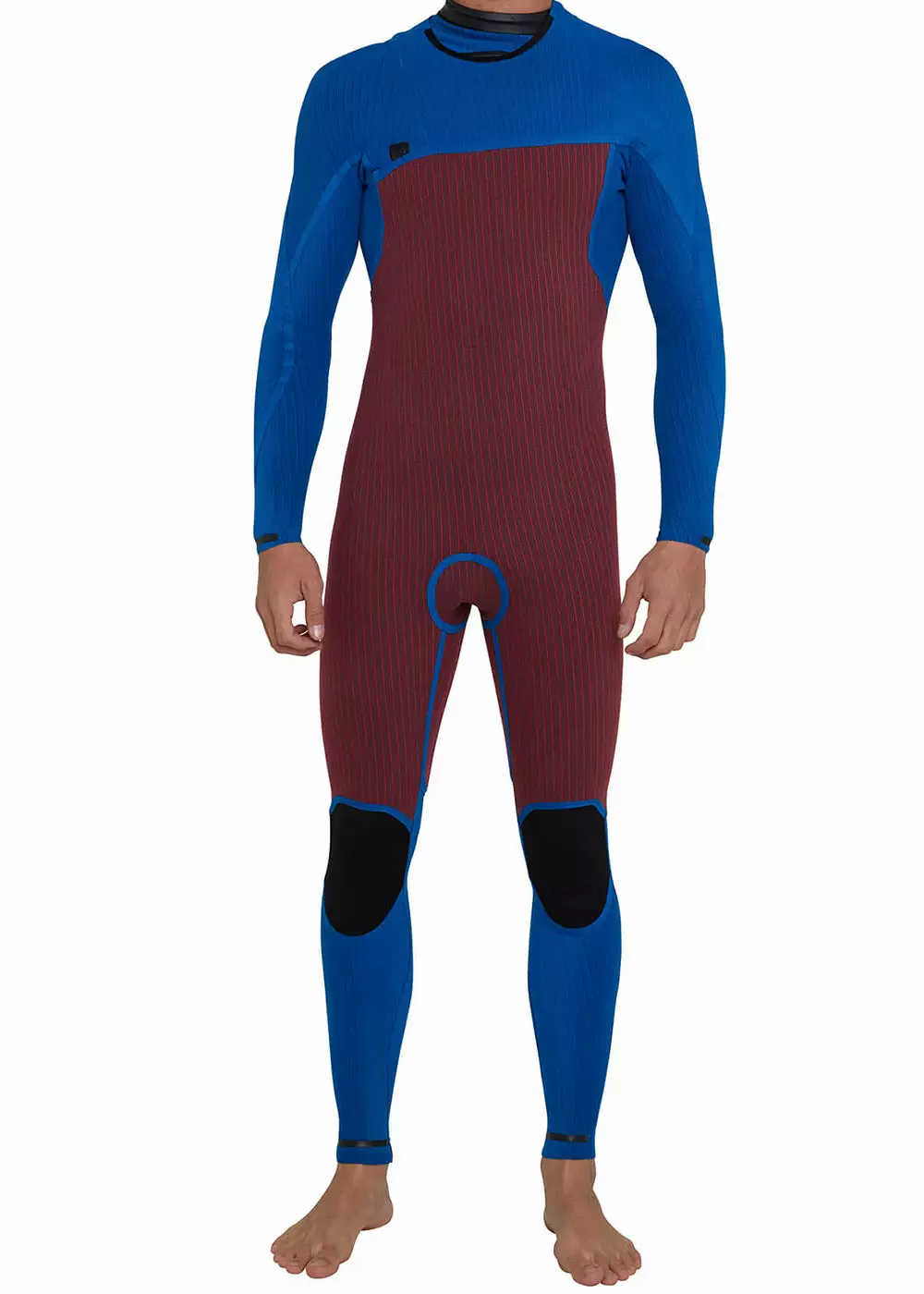
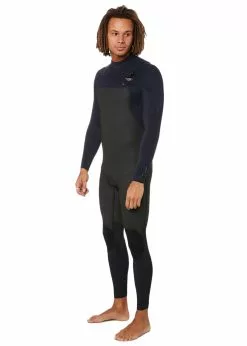
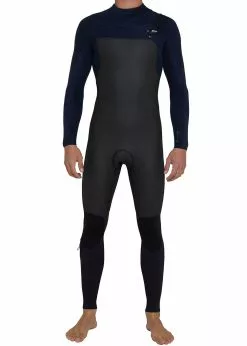
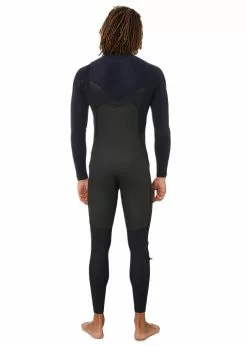
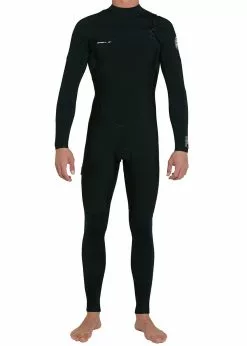
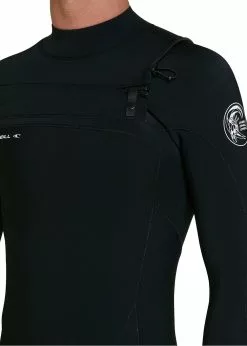
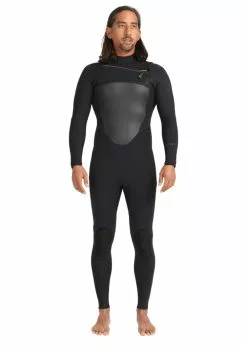
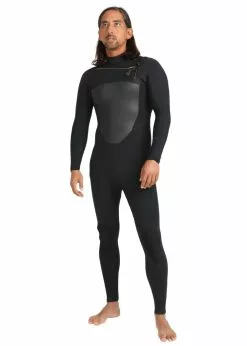
ONeill O’Neill Blueprint Recycled 4/3mm Chest Zip Steamer
$99.99
- Shop with confidence, we guarantee quality.
- 7 Days of Hassle-Free Returns
- Your questions, our prompt answers.
- Safe and Secure Payments, Always

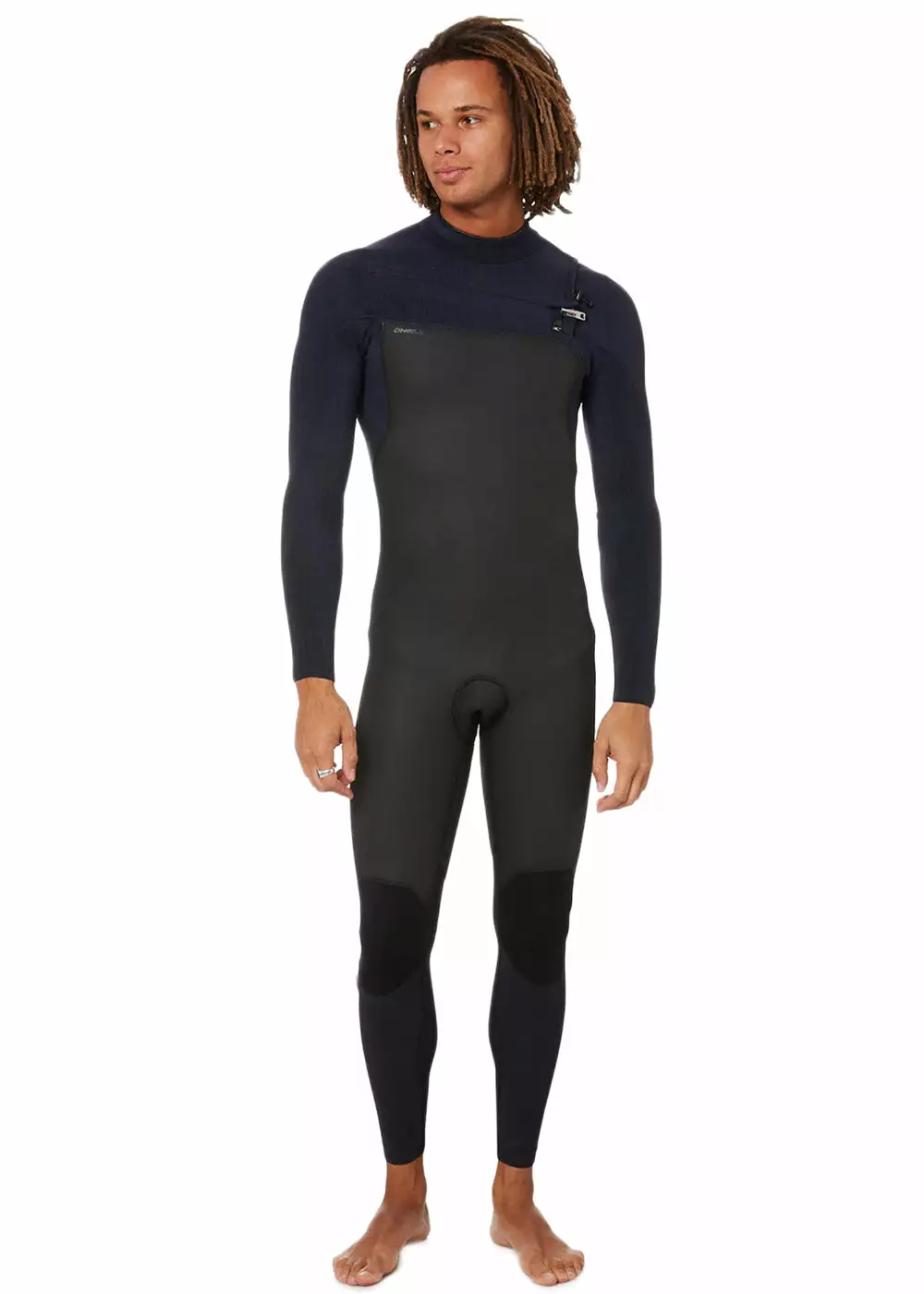
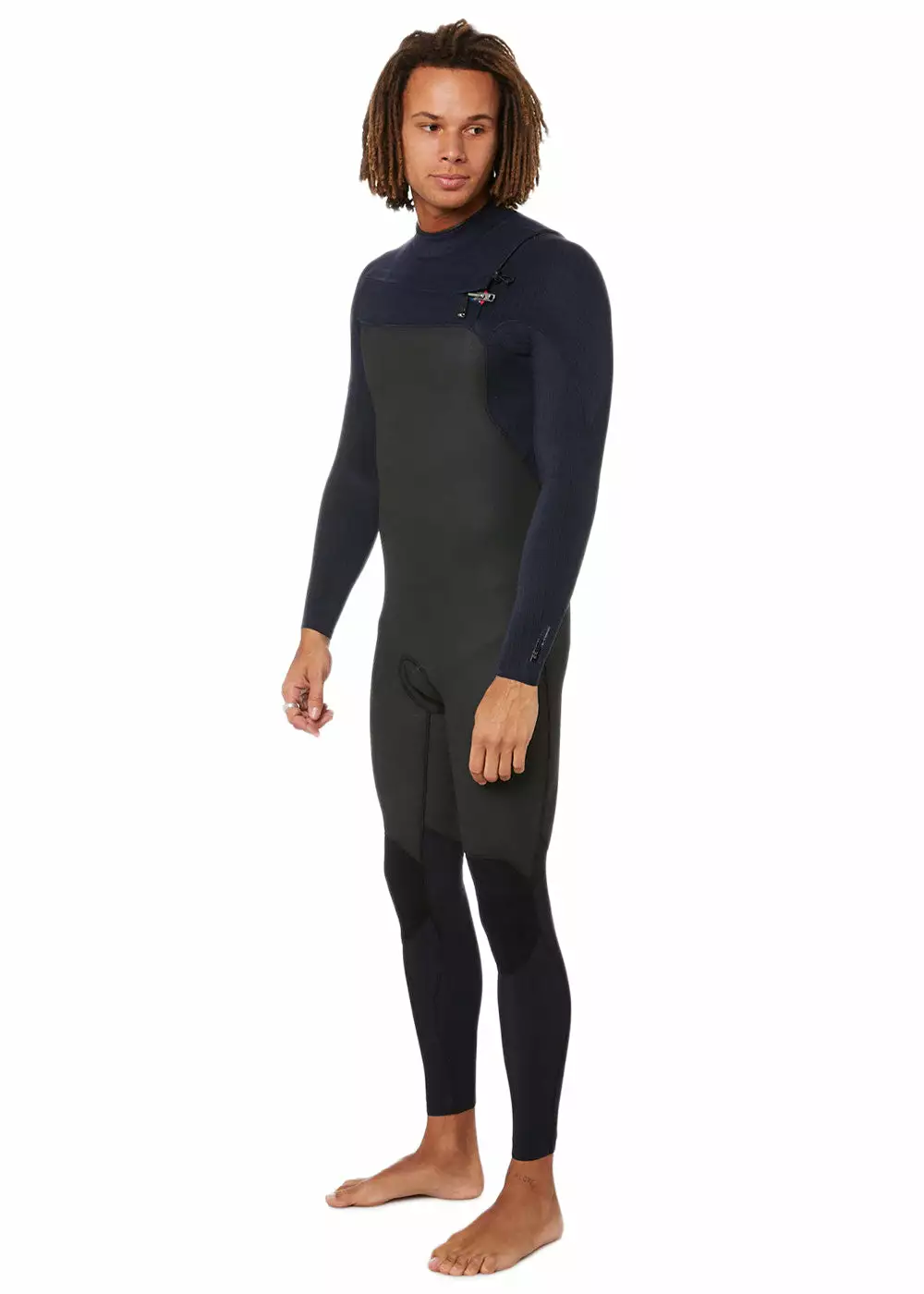
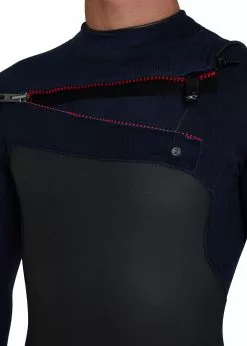
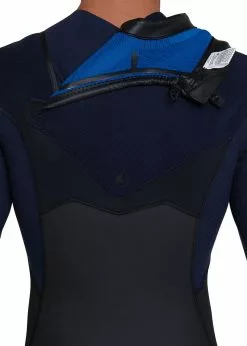
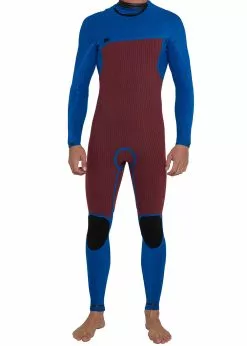
O’Neill’s Blueprint 3/2mm Chest Zip steamer is a truly unique wettie that utilizes O’Neill’s new Graphene Air Firewall Duraskin Body. This is essentially building on technology from the TB3 neoprene we’ve seen in previous high-end steamer models from the wetsuit experts. This time around, it’s essentially the same graphene internal lining that acts as an insulator that wicks moisture away from the body – along with a stitchable smooth skin Duraskin material on the exterior that helps to prevent wind chill. This works by acting as a hydrophobic layer that stops water from being absorbed into the external lining of the neoprene while simultaneously soaking up heat from the sun.
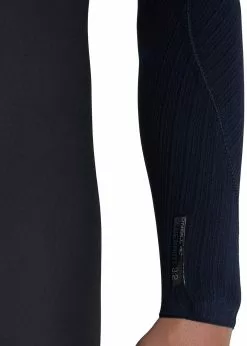
Keeping sustainability in mind, O’Neill has used recycled materials throughout the shoulders. They’re not skimping out though – using recycled TB3X neoprene that’s known for its superior stretch and supple feeling. Even the seams use replaced TB3X taping with GBS stitching! This style of seams is pretty well as good as it gets when it comes to water sealing and durability without getting into triple glued and blind stitched styles.
For those unsure about whether this style of wetsuit is right for them, I’d usually wear a 3/2mm wettie during winter in Queensland and Northern NSW. For the south NSW coast and Victoria, you might opt for the Blueprint 4/3mm. Just keep in mind it all comes down to personal preference and it’s all about figuring out what works for you.
To get the most out of your O’Neill Blueprint 3/2mm Chest Zip Steamer we recommend washing it with Wetsuit Wash & reading our maintenance guide.
O’Neill Blueprint 3/2mm Chest Zip Steamer Features:
- Graphene Air Firewall Duraskin Body: ?Tech that’s exclusive to the new Blueprint wetsuits – it extends on the technology of previous insulating neoprenes for more warmth and durability than ever before.
- Recycled TB3X Shoulders/Arms: Arguably the stretchiest neoprene available, we’ve felt a lot of wetsuits over the years but nothing has felt as supple as the TBX-3, so much so that we audibly gasped when inspecting it… Did you know that the ‘rubber’ inside a wet suit is actually foam? It’s important to remember that stretch factor is not dependant on a single aspect of the suit but the combination of the core foam, the linings and the seams – O’Neill tout 220% combined elasticity without permanent deformation. Get learned at our Neoprene Blog.
- Recycled TB3X Taping w/ GBS Seams: These seams are made using a hooked needle which essentially just means pinholes don’t fully penetrate the neoprene making a pathway for water to penetrate. On top of this, an elastic glue is used to seal the seam and further restrict water entry. On the interior of the suit a flexible tape is used to reinforce the seam, so it’s a fairly safe bet that your suit will be keeping you toasty with this type of seam.
- Aqua Alpha Solvent Free Lamination: A wordy way of saying the seams use environmentally friendly adhesives.
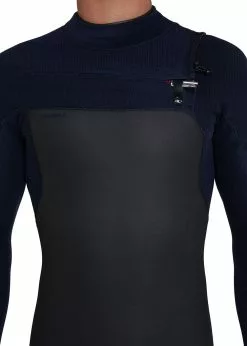
- Redzone Water Resistant Zipper: Zipper are often a weak point when it comes to stopping water infiltrating your suit. Having a water-resistant zipper really means O’Neill are pulling out all the stops here.
| Size | S, M, M/Tall, L |
|---|---|
| Colour | Navy |
Be the first to review “ONeill O’Neill Blueprint Recycled 4/3mm Chest Zip Steamer”
Related products
Accessories

Accessories
Reviews
There are no reviews yet.